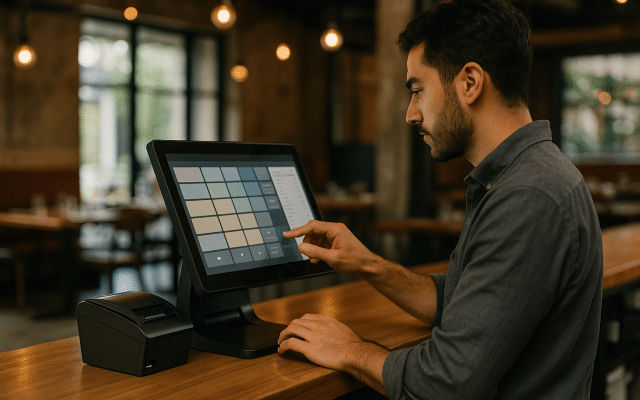
In the rapidly changing world of the restaurant industry, keeping things running smoothly is essential for success. As we look ahead to 2026, advanced Point of Sale (POS) systems and smart inventory management are more important than ever. Grasping how these tools can simplify operations will give restaurants a competitive edge. This guide explores the significance of these systems, their advantages, and practical strategies for implementation.
The Importance of POS Systems
At the core of modern restaurant management is the POS system, a crucial piece of technology that connects many different functions. POS systems are built to handle sales transactions, keep track of inventory, and gather vital information about the business. Recent reports indicate that restaurants using advanced POS technology can reduce service times and boost customer satisfaction rates by as much as 30%. Thus, upgrading to a state-of-the-art POS system isn’t just optional; it’s a must for dedicated restaurant owners.
How POS Systems Enhance Efficiency
POS systems improve daily operations by automating tasks that used to be done manually. For instance, using tablets or mobile POS systems that customers can use directly speeds up order processing. This reduces wait times and improves the dining experience. Furthermore, modern POS solutions typically include integrated modules for real-time inventory tracking. This feature helps avoid both overstocking and stockouts, which are common challenges in inventory management.
Integrating Inventory Management
Alongside POS systems, effective inventory management is also crucial. With accurate tracking, restaurants can monitor their stock levels in real-time, gaining insights into product turnover rates. Investing in a combined POS and inventory management solution can result in better control over food costs. A study by the National Restaurant Association revealed that effective inventory management could save restaurants up to 10% in costs.
Choosing the Right POS System
When choosing a POS system, restaurants should keep in mind factors like ease of use, customer support, integration options, and scalability. A solution like The PowerHost’s shared hosting is perfect for restaurants aiming to maximize online ordering capabilities. A user-friendly interface helps staff navigate the system quickly, which lessens training time and boosts operational efficiency.
Training Staff for Maximum Efficiency
Even the best technology can fall flat without proper staff training. Comprehensive training programs ensure that the staff can effectively use the POS system and inventory management tools. A knowledgeable team can harness these tools to improve customer service, minimize errors, and streamline workflow.
Analyzing Data for Strategic Decision-Making
One of the often-overlooked benefits of modern POS systems is their ability to analyze sales data. This valuable insight allows restaurants to spot trends, assess performance, and make informed decisions regarding menu items and specials. By regularly reviewing data, restaurant owners can adjust their strategies to maximize profit.
Future Trends in Restaurant Technology
As we look ahead, new technologies like artificial intelligence and machine learning are starting to play important roles in restaurant management. These innovations promise to improve forecasting of inventory needs, further refining stock management processes. Staying updated on these trends helps ensure restaurants continue to operate efficiently and meet customer demands.
In conclusion, while the restaurant industry faces many challenges, adopting technologies such as advanced POS systems and inventory management can lead to significant improvements in efficiency. With proper implementation, these tools not only simplify operations but also enhance profitability. For businesses ready to adapt to these changes, The PowerHost’s cloud hosting solutions offer strong support in managing your restaurant’s online and operational requirements.