

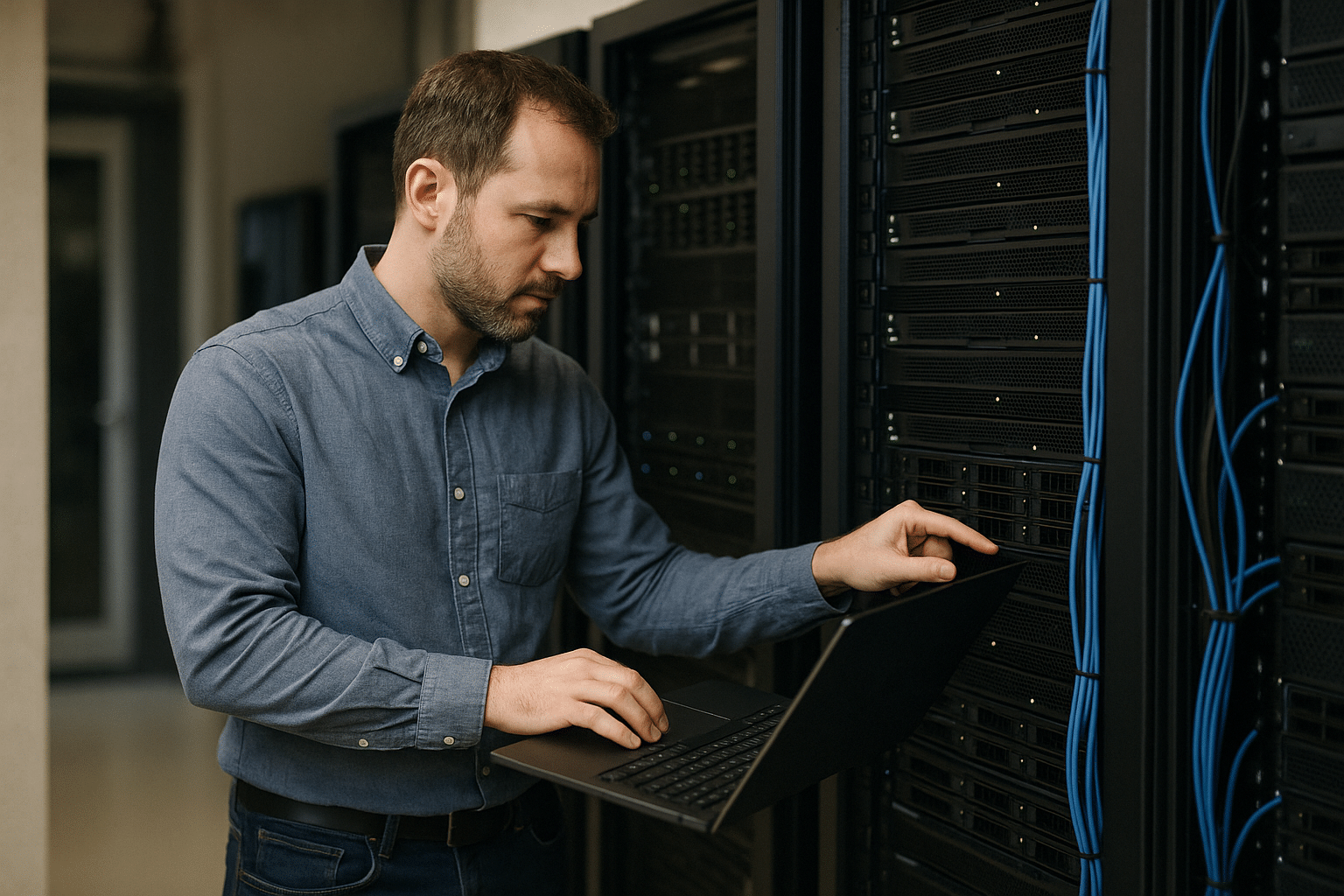
Colocation services can be a game-changer for businesses looking to save on IT expenses, starting at just ₹3,500 a month. If you’re overseeing your own server systems, consider the hefty price tag of on-premise setups, which include the costs of purchasing hardware, maintaining power supply, ensuring proper cooling, and handling continuous maintenance. With demand for stable uptime and ample bandwidth growing, a crucial question arises: should you manage your servers on-site or opt for a data center?
This guide provides valuable insights into colocation hosting, highlighting factors such as the economics of rack space, power usage, and contract terms leading up to 2026. We’ll discuss how colocation can not only help in controlling operational expenses but also lengthen the time before you need to replace hardware.
What Are the Economic Benefits of Colocation?
Choosing server colocation allows you to tap into shared resources, which dramatically reduces your capital expenditure (capex). Unlike on-premise solutions that leave you with all the setup costs, colocation divides those expenses among many customers. This means lower prices for rack space and power. For instance, a complete rack generally starts around ₹35,000, which works out to ₹3,500 per U space when utilized fully.
In addition, you’ll see a reduction in ongoing operational costs (opex). Many Tier III data centers utilize N+1 redundancy, giving you higher reliability without the full cost burdens associated with maintaining redundancy in-house. By colocating their servers, businesses can sidestep excessive spending on infrastructure while reaping the benefits of high-quality facilities and management.
Understanding Rack Economics
When gearing up for colocation, grasping average rack unit sizes is crucial. Standard racks typically hold 42U, while half racks accommodate 21U. Depending on your power needs and the estimated hardware requirements, you can determine how much space you need. Data centers usually charge based on power usage, making it vital to evaluate the typical consumption of your systems.
For example, if your server’s total power draw is 2kW, costs can differ based on local electricity rates, generally averaging around ₹8-10 per kW. Additionally, considering the PUE (Power Usage Effectiveness) rating is important; a lower PUE suggests better energy savings. It’s wise to be aware of your current energy consumption before making the switch to a colocated solution.
Navigating Contract Terms and SLA
The terms of the contract play a crucial role in the advantages you’ll gain from colocation. Many facilities provide a Service Level Agreement (SLA) that guarantees uptime percentages, often exceeding 99.99%. Be sure to scrutinize these agreements closely.
Contracts typically last from 12 to 36 months, but some providers may offer flexible month-to-month arrangements to accommodate different business requirements. It’s essential to understand how bandwidth commitments and cross-connect provisions function. Usually, additional bandwidth is available at competitive rates, although costs can accumulate quickly based on your needs.
Benefits of Remote Hands Services
A standout benefit of colocation hosting is access to remote hands services that many data centers offer. This service enables technicians to handle your hardware without your physical presence. Tasks may include rebooting servers, replacing parts, or troubleshooting issues.
Utilizing remote hands services cuts down on travel expenses and allows for faster issue resolution, improving overall uptime. As the IT landscape shifts, adopting remote hands can free up valuable time for your internal staff, allowing them to concentrate on strategic initiatives rather than everyday tasks.
Data Residency and Compliance
With a growing emphasis on security and regulatory compliance, companies must consider data residency requirements. Colocating in a data center can ensure that your data stays within the geographic limits required by compliance laws.
Located in India, The PowerHost offers data centers that adhere to local regulations, preserving data integrity while enhancing performance. Before selecting a service, verify that the facility fulfills these standards to mitigate operational risks and ensure compliance.
Preparing for Your Hardware Refresh Cycle
As your business expands, so does your server capacity. Understanding your hardware refresh cycle is vital for effectively managing both physical and virtual infrastructures. Regularly evaluating your performance metrics is essential for anticipating upgrades or replacements that keep operations smooth while taking advantage of the cost efficiencies of server colocation.
When planning for hardware renewals, consider the lifespan of your equipment and look for replacement opportunities that align with your budget and forecasts for growth. The cyclic nature of technology allows businesses to integrate new capabilities while optimizing existing systems.
The Future of Colocation in 2026
As we advance toward 2026, the demand for robust colocation services in India is set to increase. Factors like emerging technologies, a rise in IoT devices, and the need for edge computing will propel the industry forward. Colocation providers must remain proactive by adopting advanced technologies and enhancing connectivity solutions.
Investing in efficient facilities now will equip your business for future demands. With The PowerHost’s cutting-edge data center infrastructure, companies can utilize state-of-the-art offerings while ensuring they meet their unique operational needs.
Teams contemplating a hardware refresh against moving into shared space can compare rack, power, and connectivity options through The PowerHost’s colocation services before entering into a contract.