

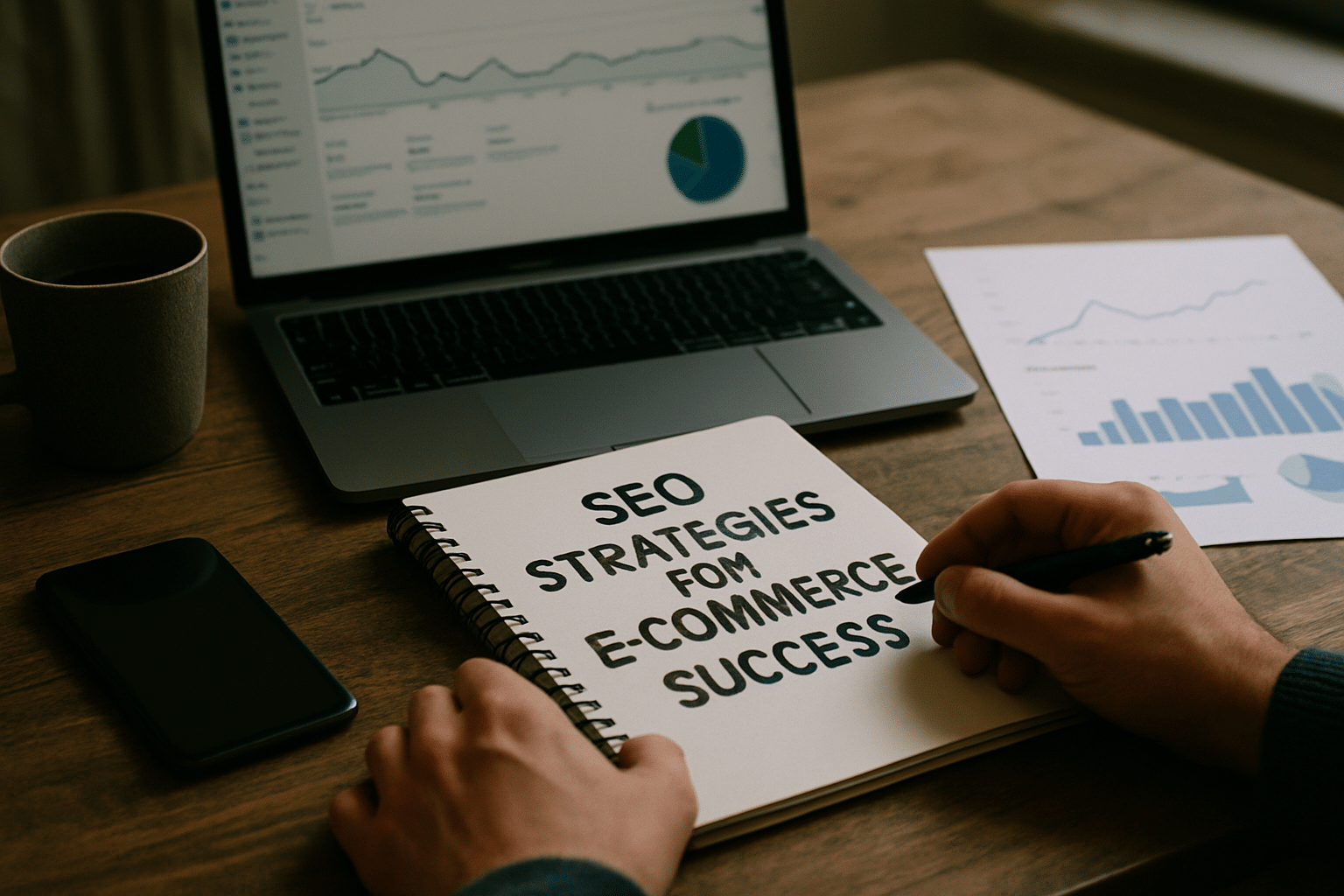
In the competitive world of e-commerce, having a good SEO strategy is like having a strong compass in a dense forest of online stores. As we approach the year 2026, the online retail landscape is constantly changing, making it crucial for businesses to adapt and sharpen their digital presence. With countless online shops competing for customer attention, knowing how to boost your site’s visibility can determine whether you soar to new heights or struggle to stay afloat.
Understanding E-commerce SEO
E-commerce SEO is like fine-tuning an engine to make your online store run smoothly in search engine results pages (SERPs). Unlike regular websites, e-commerce sites must pay attention not only to content but also to product listings, user experience, and technical aspects like site speed and mobile-friendliness. According to
Statista, over 70% of all online experiences start with a search engine.
Thus, mastering SEO is essential for attracting potential customers.
Keyword Research: The Foundation of SEO
Effective keyword research is like discovering treasure maps that lead to potential customers. It involves identifying the terms and phrases that people use to find products similar to yours. Tools like Google Keyword Planner, Ahrefs, or SEMrush can help you uncover high-volume keywords to target in your product descriptions, blog posts, and meta tags. Focusing on long-tail keywords is key since they generally have less competition and are more specific, leading to higher conversion rates. For example, claiming a phrase like “best running shoes for flat feet” can draw a niche audience eager to make a purchase.
Optimizing Product Pages
Your product pages should be like inviting storefronts—designed not just for search engines but also for customers. It’s vital to include unique, descriptive product titles and rich descriptions alongside high-quality images. Using structured data markup, like schema.org, helps search engines gain a clearer understanding of your products and may enhance your listing in SERPs by displaying additional information such as prices, availability, and reviews. User reviews can also boost SEO; websites with user-generated content tend to rank higher due to increased engagement and trustworthiness.
Content Marketing and Blogging
Content marketing acts like a magnet, drawing potential customers to your site. By publishing insightful blog posts related to your products or industry, you can attract relevant traffic and position your brand as an authority. Topics might cover how-to guides, product comparisons, or industry trends. Plus, optimizing your content with relevant keywords helps search engines effectively index it, driving more organic traffic to your e-commerce site. Remember to link your blog posts back to your product pages to convert viewers into buyers.
Technical SEO: Enhancing Performance
Technical SEO encompasses aspects like site speed, mobile adaptability, and secure connections (HTTPS). Google prioritizes websites that load quickly and deliver a seamless mobile experience. Recent studies show that just a few seconds of delay can significantly affect user engagement and conversion rates. Tools like Google PageSpeed Insights can help identify areas that need improvement. Additionally, securing your site not only enhances SEO rankings but also builds trust with your customers.
The Role of User Experience (UX)
User experience directly influences SEO rankings. A well-designed site, easy to navigate, encourages users to linger longer, ultimately reducing bounce rates. Ensure that your e-commerce platform features intuitive navigation, accessible search tools, and a straightforward checkout process. Integrating customer support options, like live chat, can further enhance UX and lead to higher conversion rates.
Building Quality Backlinks
Backlinks are like endorsements that signal trust and authority to search engines. Building relationships with other websites for guest blogging or partnerships can lead to valuable backlinks. Engaging industry influencers also boosts your visibility and traffic. However, focus on quality over quantity; spammy backlinks can tarnish your website’s reputation.
Measuring and Analyzing Results
Finally, regularly monitoring your website’s performance is crucial. Tools like Google Analytics and Google Search Console offer indispensable insights into traffic, user behavior, and conversion rates. Understanding what works—and what doesn’t—enables you to fine-tune your approach and continuously improve your SEO efforts. Track metrics such as organic traffic growth, keyword rankings, and bounce rates to maintain your competitive edge.
In conclusion, implementing these essential SEO strategies equips your e-commerce site for greater visibility in 2026. Dedicating time and resources to keyword research, product page optimization, technical SEO, and user experience will yield long-term benefits. For businesses seeking a robust web hosting solution to empower their e-commerce efforts, The PowerHost’s cloud hosting infrastructure offers the stability and performance needed for success in a dynamic online marketplace.