In the Modern Dining Experience
Technology plays a significant role in transforming how restaurants operate and how customers feel about their dining experiences. One of the biggest changes has been the introduction of QR code ordering systems, especially when linked with Point of Sale (POS) systems. By 2026, these innovations are expected to change how restaurants function, providing more convenience for diners and greater efficiency for restaurant owners.
In this discussion, we will explore how QR code ordering improves accuracy in orders, shortens waiting times, and boosts how quickly tables can be used again. We will also highlight how these systems can smoothly connect with current POS platforms, illustrating the strong relationship between technology and customer service. Lastly, we will look at how these advancements may change the overall dining experience and consumer expectations in the years ahead.
The Evolution of Ordering Systems
At many restaurants, ordering food traditionally involves a lot of waiting and sometimes miscommunication. Diners call for a server, place their order, and wait as the server takes the information to the kitchen. This lengthy process can cause annoyance for both customers and staff. However, QR code ordering represents a move away from this outdated way of doing things.
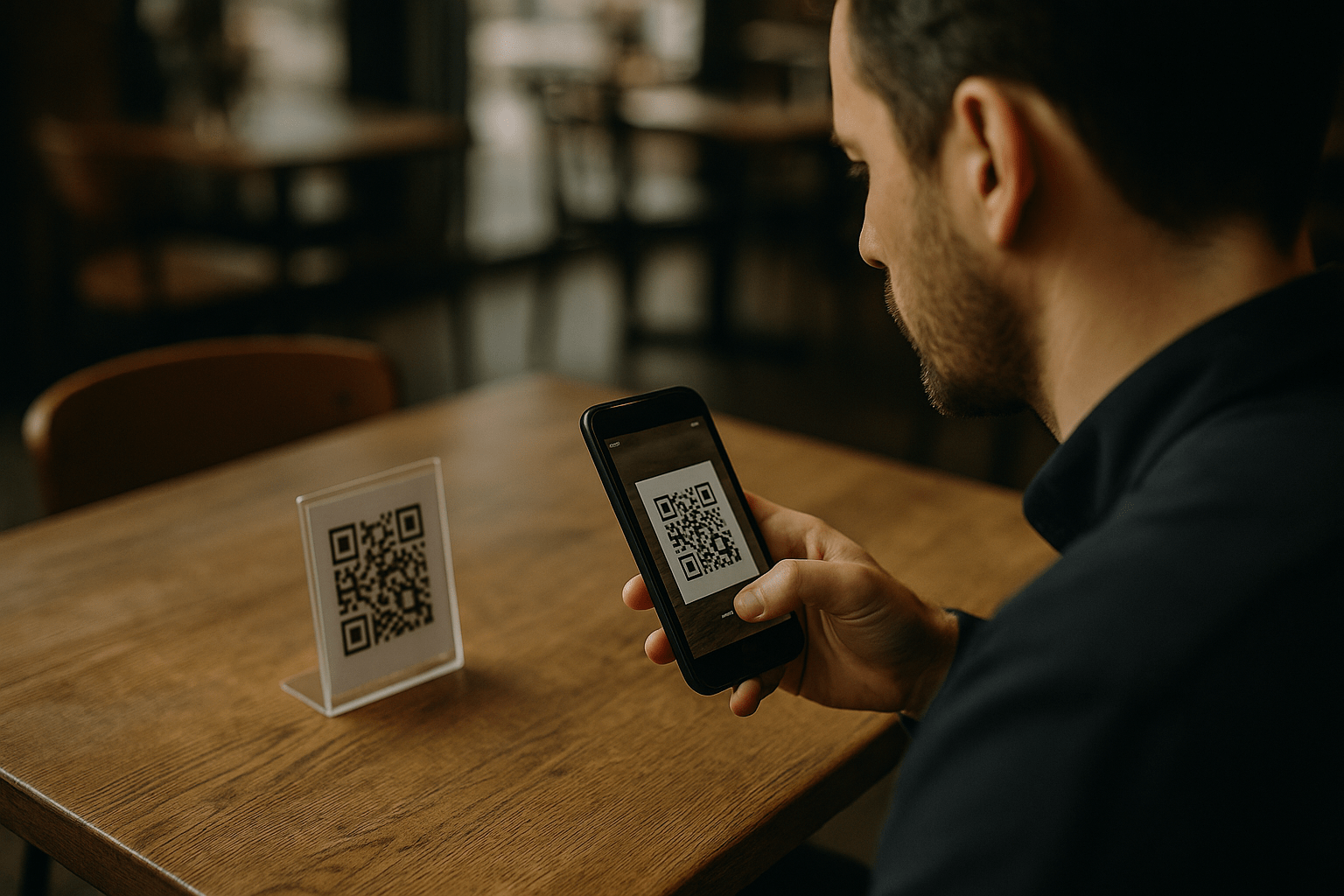
With the growth in smartphone use, QR codes have become an easy and intuitive option to improve dining experiences. Patrons can scan a QR code from their table, which leads them to a digital menu where they can place their orders directly. By allowing customers to serve themselves, this method cuts down on errors that can happen when servers relay orders, thereby increasing accuracy.
Efficiency Gains Through POS Integration
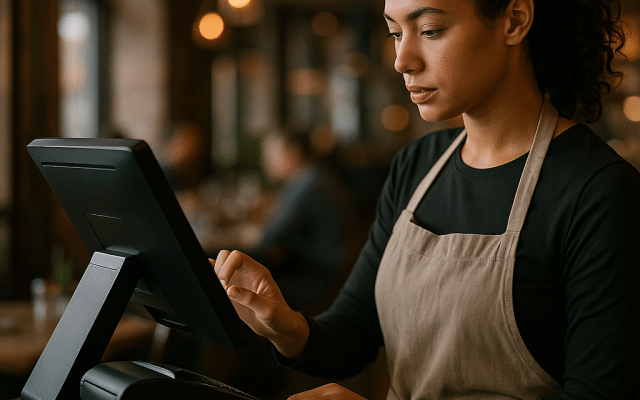
Linking QR ordering with POS technology revolutionizes restaurant operations. A report from
“Restaurant Technology News,”
revealed that after integrating QR codes, many restaurants experienced a 30% decrease in order processing times. This connection enables real-time adjustments to orders, keeps track of inventory, and allows for better management in the kitchen.
By aligning the digital ordering system with the restaurant’s POS system, staff can focus on other important tasks, such as engaging with customers and enhancing service. This approach not only makes for happier diners but also alleviates some of the work on staff members.
Enhancing Customer Experience
Allowing customers to directly interact with the ordering process via QR codes creates a more personalized atmosphere. Diners can leisurely browse the menu, read descriptions of dishes, and check dietary information. They can also tailor their orders without feeling rushed in a bustling restaurant environment.
This transition is not just beneficial for customer satisfaction but also fosters loyalty. When diners experience a smoother and more enjoyable meal, they are likely to return, leading to a steady stream of income for the restaurant.
Increased Table Turnover
In the restaurant business, time is equivalent to money. The quicker guests can order and meet their needs, the faster tables can be turned over to welcome new customers. QR code ordering facilitates this process, allowing diners to place their orders as soon as they sit down, rather than waiting for a server.
Reports indicate that some restaurants have improved their table turnover rates by as much as 20% after implementing these systems, which enhances their operational capabilities and profitability.
Cost Savings
For restaurant operators, decreasing the size of server teams can lead to significant savings on labor costs. Additionally, fewer mistakes in orders mean less food wasted and higher satisfaction among customers, which can further enhance profit margins.
An analysis from
“Food Service Insights,”
indicates that shifting to a QR ordering model can provide substantial annual cost savings, helping chefs and managers allocate resources more efficiently in other areas.
Preparing for the Future
Looking to 2026, it’s important for restaurants to quickly adopt and adapt to these technologies. As competition intensifies, offering a smooth and enjoyable customer experience will separate successful restaurants from those that struggle. Investing in QR ordering technology and integrating it with existing POS systems isn’t just a trend; it’s a critical step towards staying viable in the future.
Conclusion
To sum up, blending QR ordering with POS systems marks a major shift for the restaurant industry, boosting efficiency, lowering costs, and improving the overall experience for customers. These innovations provide exciting possibilities for restaurateurs to elevate their businesses and align with changing consumer expectations.
As we approach 2026, adopting these technologies will not just be beneficial but essential for long-term success in the competitive dining arena. For those interested in optimizing their operations, seeking reliable solutions such as cloud hosting services can ensure seamless integration and management of these evolving technologies.