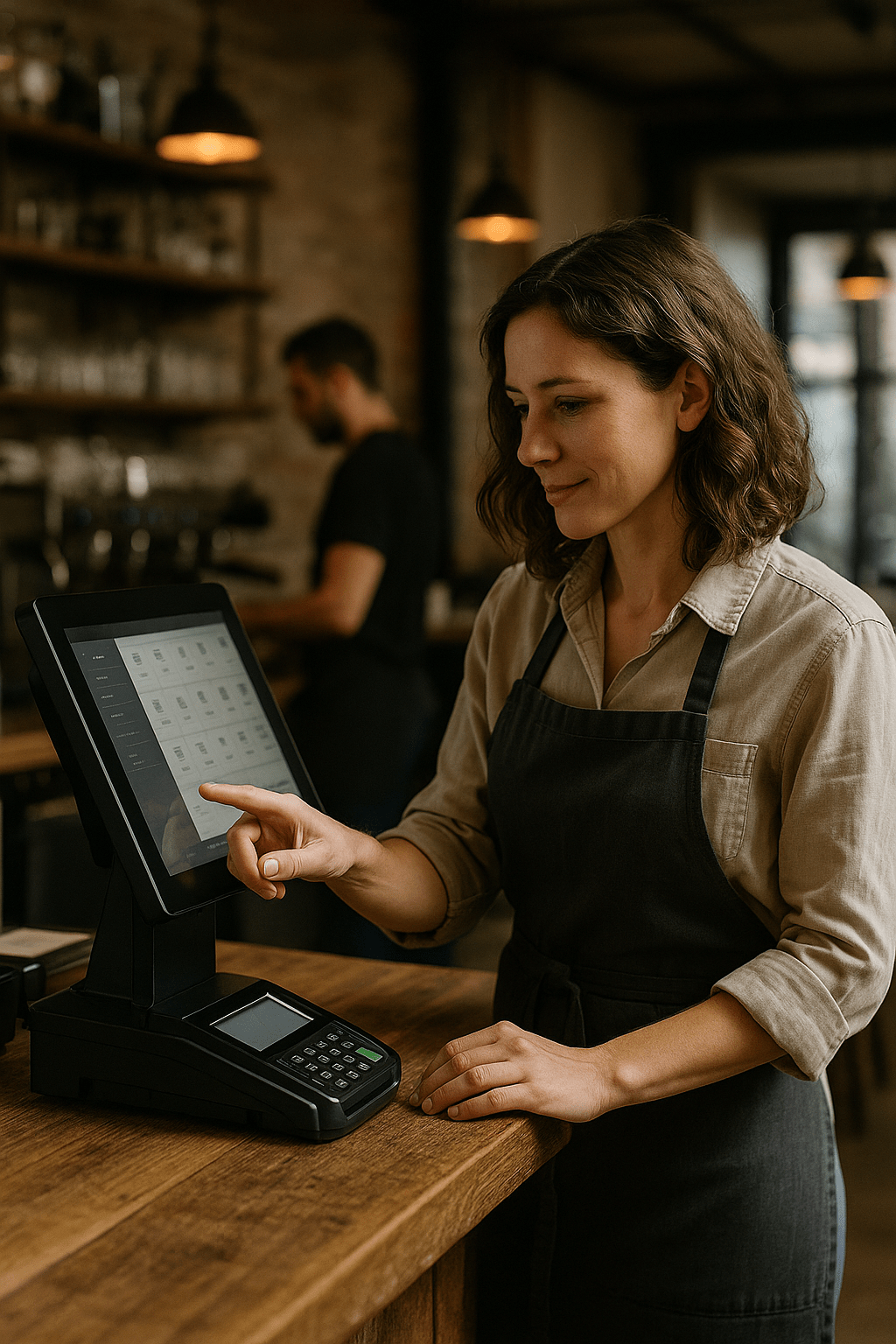
In the ever-changing world of restaurants, being quick and adaptable is essential. Restaurants now rely on advanced Point of Sale (POS) systems and effective inventory management tools to keep things running smoothly. With the right technology, restaurants can make the dining experience better while also improving their behind-the-scenes operations, which boosts profits. This guide will highlight important features of today’s POS systems, the importance of good inventory management, and how these elements contribute to a restaurant’s success in 2026.
The Transformation of POS Systems
The old cash register has seen a major makeover. Today’s POS systems are complex tools that combine various functions, including taking orders, handling payments, and tracking sales. Modern features like mobile payment options and cloud systems let restaurant owners oversee operations from anywhere, giving them real-time insights into their business.
According to a report by
Market Research Future
, the global POS terminal market for the restaurant industry is set to grow rapidly due to technological innovations. As of 2021, Market Research Future noted that the market reached a staggering USD 15 billion and is expected to grow even more by 2026.
What to Look for in Modern POS Systems
When choosing a POS system, restaurant owners must think about features that meet their needs. Key functionalities to consider include:
- Integration Capabilities: The ability to connect with other systems, such as accounting, inventory management, and customer relationship management (CRM) tools.
- User-Friendly Interface: A simple layout that reduces training time and boosts staff efficiency.
- Customer Relationship Management: Tools that help manage customer information, preferences, and feedback, enriching the dining experience.
For businesses aiming to manage resources effectively, investing in dependable cloud hosting solutions can enhance the capabilities of these systems.
Revolutionizing Inventory Management
Good inventory management is vital for reducing waste and increasing profits. Many modern POS systems include inventory management features that automatically track stock and notify managers when supplies are low. Having this real-time visibility enables restaurant managers to make smart purchasing choices, minimizing both overstock and shortages.
A study by
Restaurant Dive
found that restaurants using inventory management systems saw their food costs decrease by over 10%. With tools that predict demand based on past sales, operators can adjust inventory levels and avoid unnecessary costs.
Implementing Effective Inventory Tracking Methods
Here are some tips for effective inventory tracking in 2026:
- FIFO and LIFO: Knowing the first-in-first-out (FIFO) and last-in-first-out (LIFO) methods helps businesses efficiently rotate their stock.
- Regular Audits: Performing regular audits ensures that the physical inventory matches the data recorded in the POS system.
- Using Technology: Adopting tech-driven solutions can greatly enhance accuracy, reducing the chance for human error.
The Power of Data Analytics
One of the biggest benefits of modern POS systems is their ability to utilize data analytics. By examining sales trends, customer preferences, and inventory turnover, restaurant owners can make strategic decisions that foster growth.
Research from
Statista
shows that businesses effectively using analytics have experienced revenue growth of up to 15% each year. Integrating data analysis creates a proactive atmosphere where restaurants can adjust to shifting consumer habits and streamline operations efficiently.
Connecting with Delivery Services
As delivery services become increasingly important, POS systems that integrate with these platforms can simplify operations and enhance order accuracy. This allows restaurants to manage both in-house dining and deliveries through one system.
A report from
Pew Research
indicates that 60% of consumers prefer ordering through well-known delivery platforms, highlighting the need for restaurants to update their systems accordingly. Integrating these solutions with Indian VPS hosting can ensure strong performance, improving customer experiences during busy periods.
Boosting Customer Engagement
Modern POS systems do more than just process transactions; they help increase customer engagement. Features such as loyalty programs, tailored promotions, and comprehensive feedback mechanisms can strengthen customer loyalty.
By utilizing customer data gathered through POS systems, restaurants can personalize their marketing efforts, crafting unique experiences that resonate with their audience.
Conclusion
As the restaurant industry progresses, adopting technologies like modern POS systems and effective inventory management is crucial. These solutions not only simplify operations but also elevate the overall dining experience. The advantages, ranging from data analytics to enhanced customer engagement, are plentiful and irrefutable.
For restaurant owners eager to leverage these technological advancements, investing in the right tools can be transformative. Those planning their next moves should explore The PowerHost’s cloud hosting solutions to see how these concepts can be applied in real life. Embracing modern POS systems and inventory management tactics today will lay the groundwork for future success.