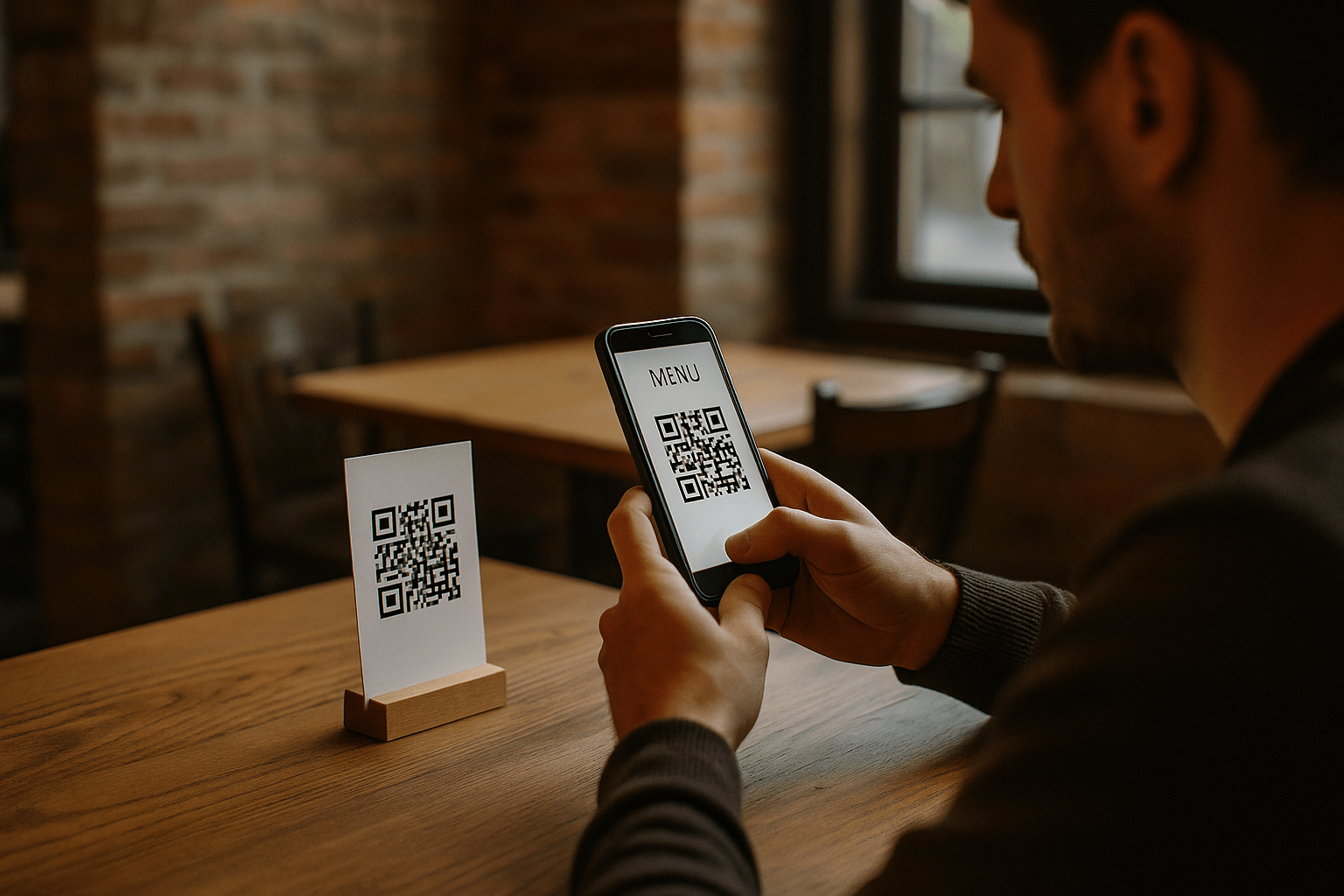
In today’s bustling dining landscape, QR ordering has emerged as a real game changer, especially with the growing need for contactless solutions. This innovative technology not only elevates the customer experience but also significantly streamlines restaurant operations. As we look toward 2026, grasping the implications of QR ordering is crucial for restaurant owners who aspire to stay ahead of the competition.
This guide dives into the essential elements of QR ordering systems, including how they enhance customer engagement, shorten wait times, and improve overall efficiency. We will also touch on potential technical challenges and offer solutions to ensure a seamless integration for your restaurant. Prepare to transform your service model!
1. Understanding QR Ordering
QR ordering refers to the approach where customers scan a QR code to access the restaurant’s menu and place orders directly from their smartphones. This approach eliminates the need for physical menus or in-person interactions, catering to the modern customer’s desire for safety and convenience.
Research has indicated that QR codes can elevate customer orders by up to 30%, thanks to the convenience and speed they provide. As consumers become increasingly tech-savvy, embracing such technology not only fulfills their expectations but also enhances their overall dining adventure. Numerous restaurants that have adopted this system have witnessed remarkable boosts in both customer satisfaction and sales.
2. Enhancing Customer Experience
Customer experience lies at the heart of any thriving restaurant. Adopting QR ordering systems creates a smooth journey for diners, right from exploring the menu to settling payments.
For example, with The PowerHost’s reliable cloud hosting solutions, restaurants can guarantee quick access to their menus and pricing details, leading to a more fluid interface for customers. This not only cuts back on the usual wait time associated with traditional ordering but also keeps customers feeling appreciated. Surveys reveal that 70% of customers favor quick and uncomplicated ordering methods, making QR codes a preferred option.
3. Boosting Operational Efficiency
By allowing customers to place orders directly from their devices, QR systems can significantly improve operational efficiency. With orders sent straight to the kitchen, errors can be minimized, and staff workload can be effectively balanced.
Furthermore, pairing QR ordering with restaurant management software offers real-time data on customer preferences and popular menu items, aiding in inventory management. Restaurants utilizing such technology often notice a reduction of up to 50% in order processing time, which translates into quicker table turnover.
4. Addressing Technical Challenges
While the advantages are clear, implementing QR ordering does come with challenges. Technical issues such as network connectivity and integration with existing POS systems may arise. Choosing a dependable service provider is essential to ensure that your QR ordering system operates smoothly.
The PowerHost offers robust cloud hosting solutions capable of managing significant traffic effortlessly. With their expertise, restaurants can put their focus back on providing exceptional service without being bogged down by technical troubles.
5. Training Staff for Success
Embracing new technology mandates proper staff training to ensure everyone is aligned. Employees should be well-versed in how QR ordering functions, how to aid customers, and how to manage potential technical issues.
Conducting regular training sessions can enable staff to adapt to the technology and enhance their ability to assist customers while navigating QR codes. Empowering staff can have a direct impact on customer satisfaction ratings, resulting in more loyal patrons over time.
6. Marketing Your New System
Once your QR ordering system launches, it’s critical to inform customers about this fresh feature. Effective marketing strategies could involve social media announcements, email campaigns, or in-restaurant signage encouraging diners to explore QR ordering.
Showcasing the convenience and advantages of this system across your platforms can draw in more customers and elevate their willingness to return. Restaurants that were early adopters of this trend have reported not just enhanced engagement but a boosted brand reputation among tech-savvy diners.
7. Measuring Success and Feedback
After rolling out QR ordering, it’s essential to gauge its impact. Gathering feedback from customers about their experiences can provide insights into what changes worked and what did not.
Utilizing analytics tools can also support restaurant owners in monitoring how often customers use the QR system and which menu items are popular. This data is invaluable for refining offerings and making well-informed decisions for future operations.
Conclusion
QR ordering presents an exciting opportunity for restaurants to reinvent their service model. With its potential to enrich customer experience, streamline operations, and offer actionable insights, it’s an investment worth contemplating as we head into 2026.
As you ponder future-proofing your restaurant, think about integrating QR ordering with reliable hosting solutions like those from The PowerHost. This can ensure a seamless rollout while keeping your focus on what truly matters—delivering excellent service to your customers. Explore more about how dependable hosting can transform your restaurant operations at The PowerHost.