

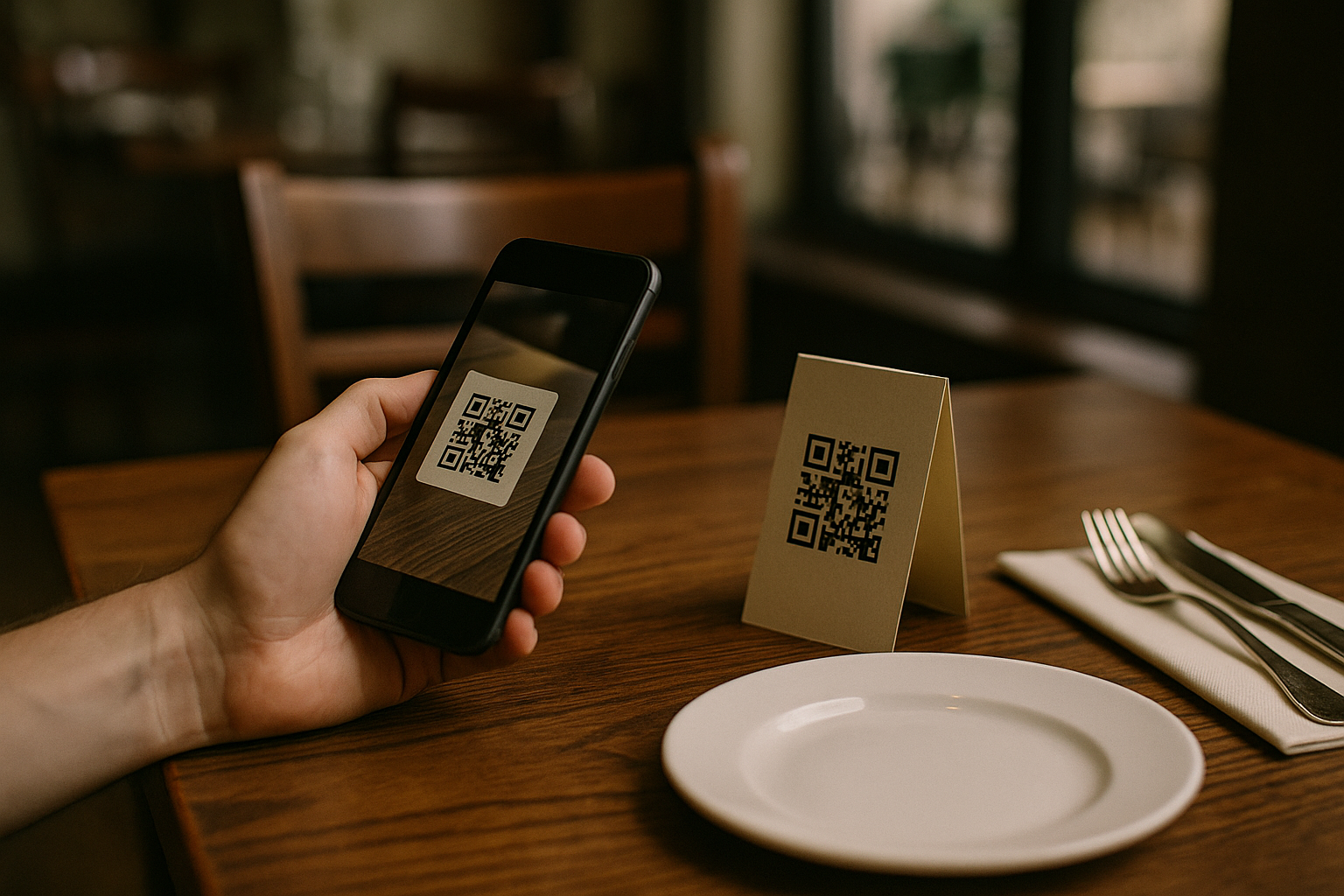
As we step into 2026, the dining landscape continues to evolve dramatically, driven largely by technological advancements. One of the most significant innovations is the integration of QR ordering systems within Point of Sale (POS) systems. This shift is not only enhancing the dining experience but also streamlining operations for restaurant owners. In an era where convenience is king, QR codes offer a contactless solution that caters to the safety and preferences of modern customers.
In this blog post, we will explore the pivotal role of QR ordering in restaurant POS systems, its impact on customer experience, and how businesses can adapt to leverage these technologies. From increased operational efficiency to improved customer satisfaction, QR technology is reshaping how restaurants engage with their patrons.
Understanding QR Ordering Systems
QR codes (Quick Response codes) are scannable barcodes that can quickly direct customers to a digital menu on their smartphones. This technology eliminates the need for physical menus, reducing touchpoints in an age of heightened health awareness.
Many restaurants have adopted QR code systems as part of their POS infrastructure. By integrating these systems, establishments can not only enhance the ordering experience but also streamline their operations. Guests can place orders directly from their devices, minimizing wait times and reducing the need for staff to handle multiple transactions.
Moreover, using QR codes allows for real-time update capabilities on menus and offers. For example, special promotions or limited-time menu items can be displayed instantly without the hassle of reprinting physical materials.
Enhancing Customer Experience
The implementation of QR ordering systems has profoundly enhanced customer experience. Consumers appreciate the convenience of browsing menus at their own pace and placing orders directly from their smartphones. This minimizes the pressure of traditional wait staff interactions and allows diners to customize their orders quickly.
According to a study by XYZ Research Group, restaurants that adopted QR code ordering saw a 25% increase in customer satisfaction.
Features like review options and direct feedback through these digital platforms empower customers. Furthermore, because guests can pay through their devices, it streamlines the payment process, making dining out more enjoyable.
Streamlining Operations with QR Technologies
In addition to enhancing the customer experience, QR ordering systems can greatly improve operational efficiency. With increased order accuracy, kitchens can prepare meals faster, leading to decreased wait times. Staff members can focus on delivering exceptional service rather than taking orders.
Moreover, data analytics available through these systems allows restaurant managers to gather insights on customer preferences and popular menu items. Understanding these trends can inform inventory management and menu design, enhancing profitability.
Cost Considerations for Implementation
Transitioning to a QR ordering system does involve some initial investments, such as software integration and perhaps purchasing updated hardware or tablets for staff use. However, businesses can offset these costs through increased sales and operational efficiencies.
Additionally, opting for a trusted hosting service like The PowerHost ensures that your digital infrastructure remains robust and reliable, minimizing downtime and maximizing customer accessibility.
The Security Aspect of QR Code Systems
Security is a paramount concern in the digital age, especially regarding financial transactions in the hospitality industry. QR ordering systems must utilize secure connections and encryption to protect customer data.
Using a secure hosting provider, such as The PowerHost, allows restaurants to integrate SSL certificates and other security measures essential for safeguarding customer information and payment details. Implementing these measures builds trust with customers and fosters a positive dining experience.
Future Trends in QR Ordering
Looking ahead, we can expect further innovations in QR technology within the restaurant sector. Enhanced functionalities like personalized marketing messages through scanning and loyalty rewards integrated directly into QR codes are anticipated.
Moreover, as consumer expectations continue to evolve, restaurants must be adaptable. As the acceptance of such technologies increases, patron preferences will undoubtedly shape the integration of advanced features into QR ordering.
Conclusion: Embracing the Revolution
In conclusion, the adoption of QR ordering systems signifies a transformative shift in the dining experience. From increased customer satisfaction and operational efficiencies to enhanced security and future prospects, the role of QR technology in POS systems is pivotal.
For restaurant owners and operators, embracing this technology is not just about keeping up with trends but about paving the way for a more efficient and enjoyable dining experience. As we navigate these changes, utilizing a reliable hosting solution such as The PowerHost can further enhance the implementation and security of your online ordering systems.
If you’re interested in taking your restaurant’s hosting capabilities to the next level, I encourage you to learn more about how The PowerHost can support your journey towards modernization in the culinary world.