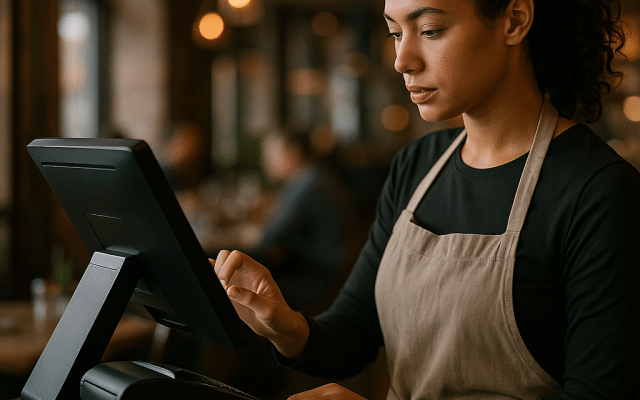
Welcome to the future of dining, where technology meets hospitality in exciting new ways. As we step into 2026, we see that restaurant management systems are changing dramatically, mainly because of ERP systems and the innovative use of QR code technology. These aren’t just fads; they are vital tools that help streamline operations, improve customer experiences, and optimize how restaurants manage their inventory.
1. The Rise of ERP Systems in Restaurants
Enterprise Resource Planning (ERP) systems are like the brains of a restaurant, connecting various parts of the business into one cohesive unit. These systems help restaurants keep track of everything, from orders to stock levels, making operations smoother and more efficient. With functions for processing orders, managing suppliers, and monitoring inventory, ERP systems help eliminate waste and boost productivity.
According to a report by Technavio, the global ERP software market is expected to grow, driven by the adoption of technologies like cloud computing.
This signals a major move toward advanced ERP solutions across the food and beverage industries.
2. Transforming Inventory Management
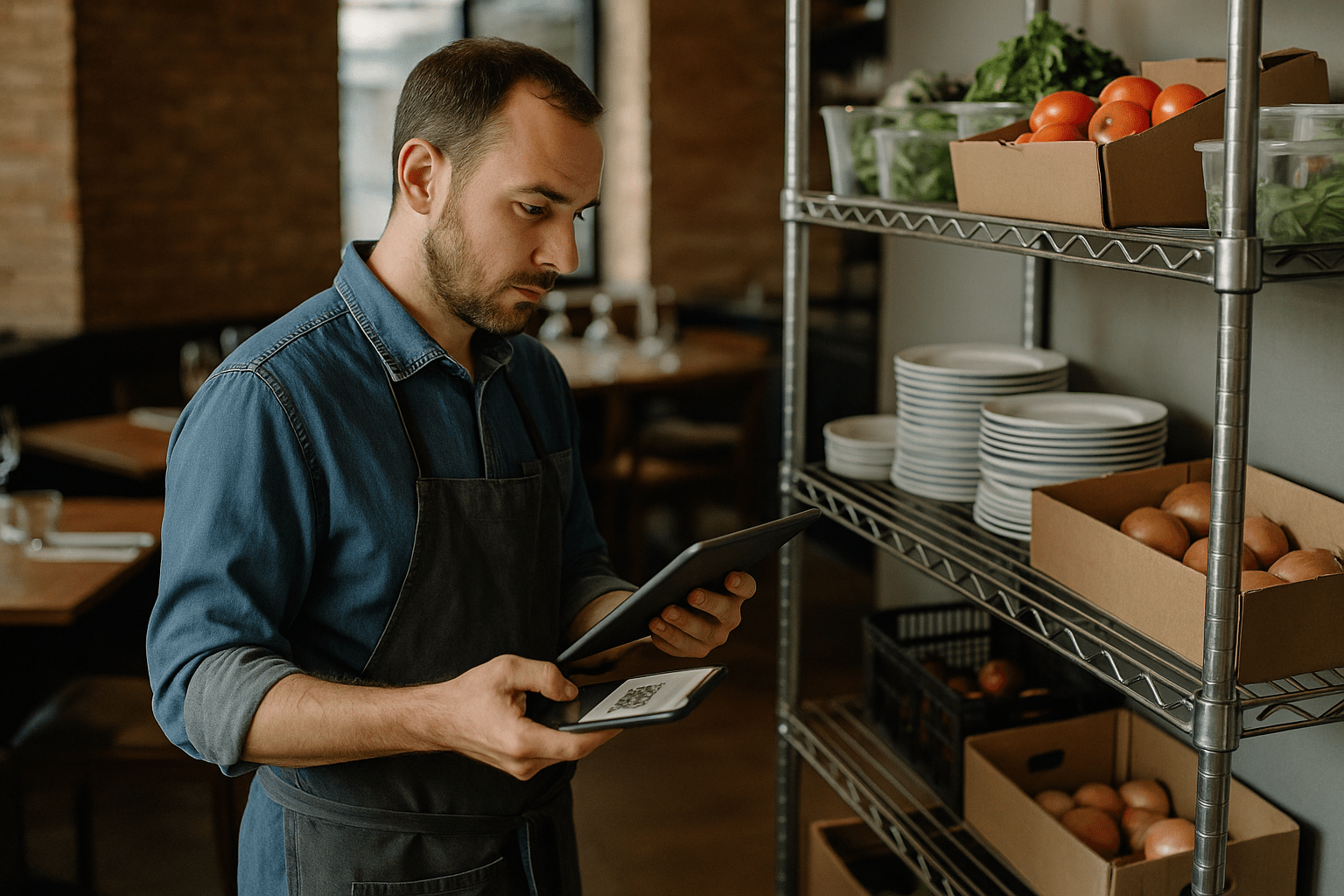
Managing inventory is a tricky task for restaurants because food can spoil and demand can change rapidly. ERP systems act like a well-trained chef, precisely tracking and forecasting stock. For instance, when a dish is sold, the ERP system updates the stock automatically. This helps avoid the pitfalls of having too much or too little stock.
This proactive approach aids in maintaining optimal inventory levels while enhancing food safety. Restaurant managers can analyze consumption patterns and trends through comprehensive reporting, leading to better purchasing decisions.
Cloud hosting solutions can improve ERP systems by providing remote access to data, reducing downtime, and enhancing the overall user experience.
3. Enhancing Customer Experience with QR Ordering
QR code technology is quickly becoming a staple in the restaurant world, especially since the pandemic changed how we dine. By placing QR codes on tables or menus, customers can access digital menus, place orders, and even make payments from their devices. This convenient shift reduces wait times and lets restaurants serve more customers.
QR ordering integrates beautifully with ERP systems, allowing for smoother operations. For example, orders placed through QR codes communicate directly with kitchens and inventory systems, resulting in real-time updates and faster service. A study by Pandemic Insights found that customer satisfaction ratings soared by 30% in restaurants that adopted QR technology.
4. Real-time Inventory Updates
Linking QR ordering to ERP systems means instant updates to inventory as soon as items are ordered. This connectivity reduces human error and keeps restaurants informed about stock levels continually. With the rise of the Internet of Things (IoT), smart devices can also monitor inventory, providing automatic data feeds to ERP systems.
This efficient communication between point-of-sale systems and ERP software shortens restocking times and boosts operational effectiveness. Furthermore, restaurants can adapt their inventory management strategies based on real-time data rather than outdated sales forecasts.
5. Cost Efficiency Through Automation
By automating inventory management using ERP systems and QR ordering, restaurants can save significantly on costs. Reducing overstocking and ensuring timely replenishment minimizes waste and the costs associated with it.
Moreover, lowering labor costs occurs as automation takes over many manual tasks. This shift allows staff to concentrate more on providing great customer service. As noted by The Restaurant Association, approximately 1 in 5 restaurants that adopted technology noticed concrete savings in their month-to-month operations.
6. Scaling for Future Growth
Integrating ERP systems and QR technology isn’t just a short-term fix; it paves the way for lasting growth. As restaurants expand, managing multiple locations and a broader range of products becomes increasingly complex.
A solid ERP system enables restaurants to grow without sacrificing quality or service, offering rich analytics and performance insights. Embracing these technologies now lays the foundation for efficient scaling in the future.
7. Conclusion
As we look forward to 2026, the blend of ERP systems and QR ordering technology offers a transformative chance for restaurants. By enhancing inventory management, improving customer experiences, and fostering operational efficiencies, these tools equip businesses to succeed in a competitive landscape.
For restaurants eager to take full advantage of ERP or QR technologies, utilizing Indian VPS hosting can provide the essential infrastructure needed to support these advancements effectively. The future of dining is upon us, and those who embrace these technologies will gain a substantial competitive advantage.